
Two African countries, Democratic Republic of the Congo (DRC) and Uganda are facing the outbreak if Ebola disease . Ebola is a disease caused by the Bundibugyo virus).. The outbreak, concentrated in northeastern DRC (specifically Ituri, North Kivu, and South Kivu provinces), has also spread across borders into Uganda’s capital city, Kampala.
Ebola is a rare but severe viral hemorrhagic fever. Symptoms appear suddenly within 2 to 21 days of exposure, progressing from flu-like “dry” signs (fever, fatigue, aches) to “wet” symptoms (diarrhea, vomiting, organ failure, and bleeding). The disease frequently causes fatal complications if untreated.
In the present outbreak, DRC is the primary epicenter. The country has confirmed over 1,200 cases primarily in the Ituri, North Kivu, and South Kivu provinces. Uganda has also reported confirmed cases and fatalities epidemiologically linked to cross-border travel from the DRC. The disease is not new and it has past precedents in Africa. The largest Ebola outbreak in history was seen in West Africa (2014–2016). It severely impacted Guinea, Liberia, and Sierra Leone, with limited imported cases in Nigeria. Notably past outbreaks have also occurred in central and east Africa in countries like Gabon, Sudan, and the Republic of the Congo.
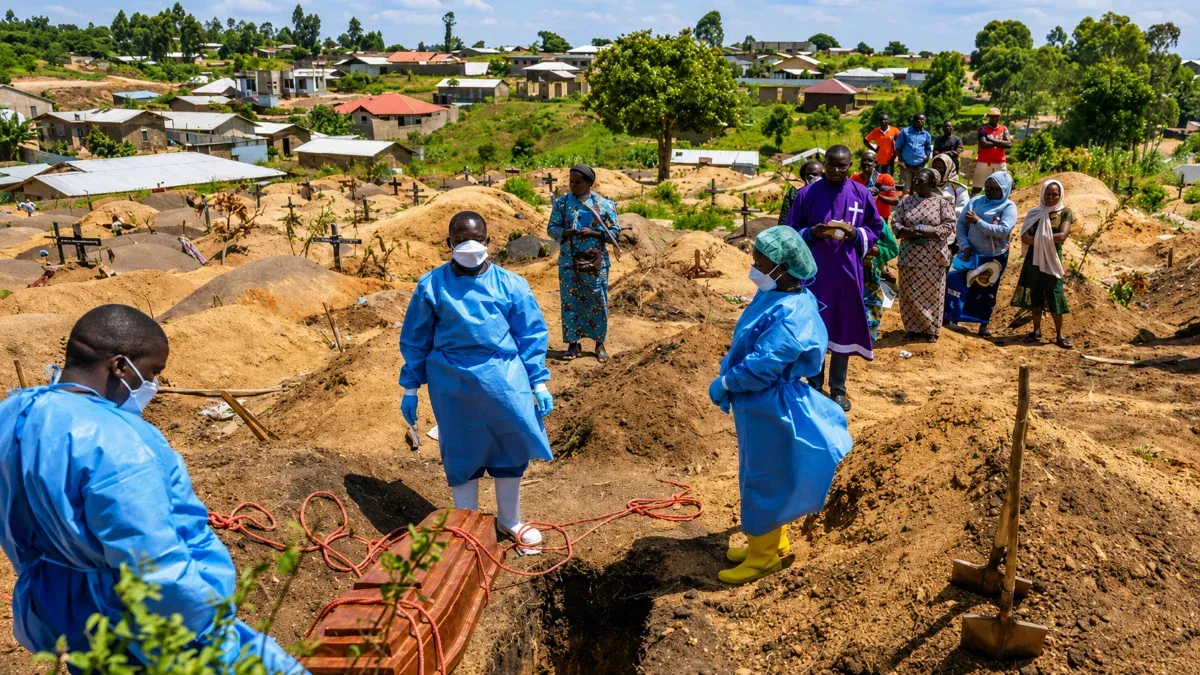
To contain the Ebola outbreak in the Democratic Republic of the Congo (DRC), health authorities and international partners have implemented strict travel restrictions, a mandatory 21-day quarantine for travelers from affected areas, scaled-up treatment capacity, contact tracing, and community-led hygiene and prevention campaigns. As a precautionary measure domestic flights to and from the epicenter of Bunia in eastern DRC have been suspended. Travelers returning from affected areas must complete a mandatory 21-day quarantine before leaving the country. Frontline responders have rapidly expanded treatment capacity across affected health zones, setting up specialized isolation units, deploying medical supplies, and initiating clinical trials for experimental treatments. Widespread distribution of personal protective equipment (PPE), emergency kits, and handwashing stations has been set up across communities, schools, and health centers. Authorities have partnered with organizations like the World Health Organization (WHO) and Africa CDC to expand daily testing. Clinical hubs, including a major biosafety-level laboratory rehabilitated with World Bank funding, are actively testing for the virus. Recognizing that mistrust and conflict complicate response efforts, organizations like UNICEF are heavily utilizing community health workers, religious leaders, and local women’s networks to counter misinformation, promote early care-seeking, and conduct safe burials.