
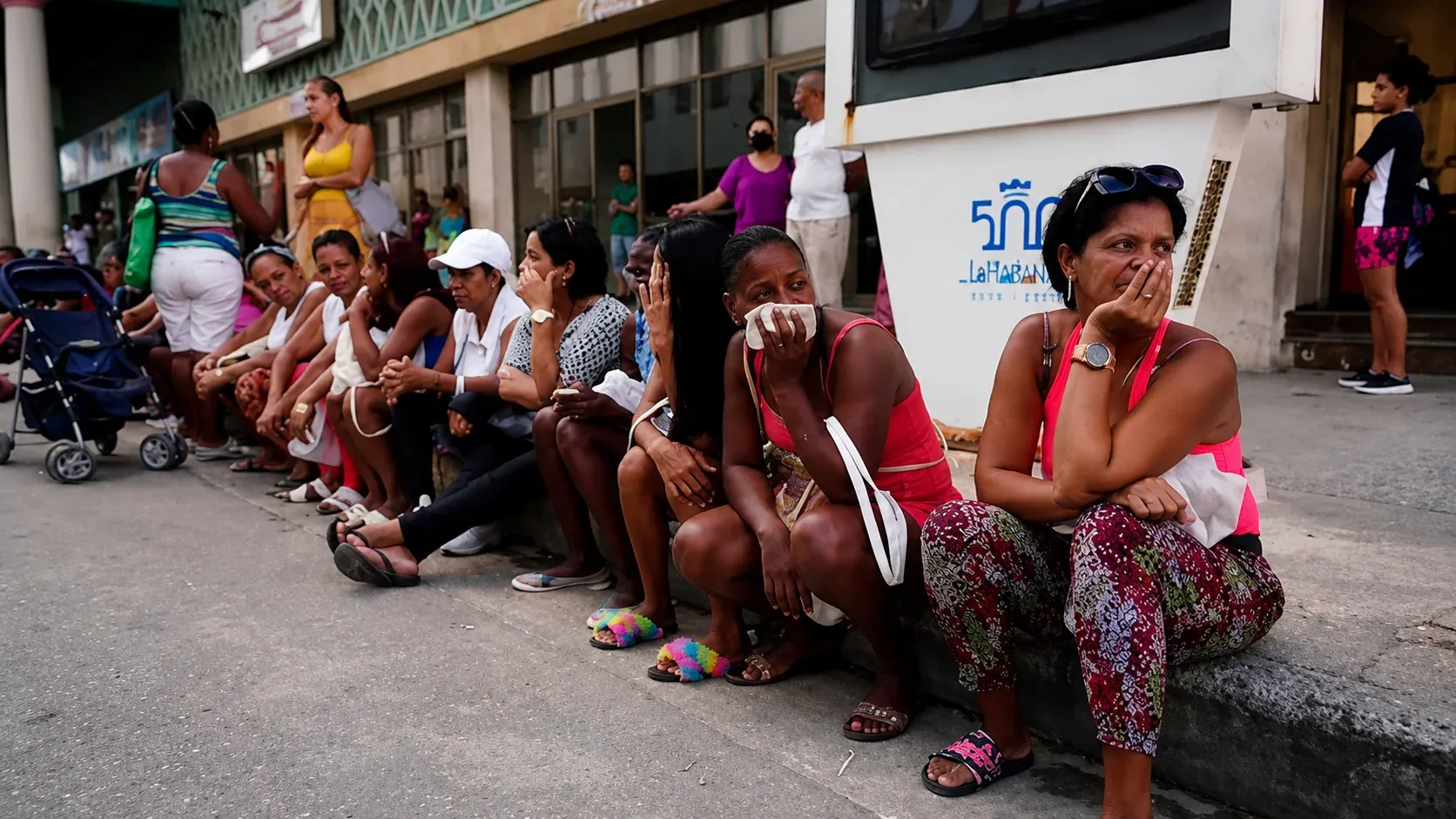
Cuba is facing a very acute economic crisis which has deepened further due to recent disruptions in power supply. Cuba is facing chronic fuel shortages and outdated infrastructure, compounded by the effects of long-standing United States sanctions, leaving its power system prone to collapse. Its national electrical grid collapsed again on August 3 only hours after 23 percent of Havana had power restored by morning when the grid collapsed . The power went out across the island late August 2 and then slowly returned on August, but much of Cuba remains disconnected after the grid failed once more, The Cuban government is struggling to restore power in the country, especially when the economy is already under pressure. Most Cubans now receive only a few hours of electricity a day at best, disrupting daily life. Apart from energy crisis, the residents of Cuba are facing deep shortages of food, medicine, and basic goods, exacerbated by a sharp decline in tourism and reduced foreign oil shipments. The situation of Cuban economy has worsened due to Intensified U.S. economic measures and energy blockades which have cut off critical external lifelines, pushing the island’s economic model to a critical tipping point.
In response to a multipronged and profound crisis the communist government of Cuba has approved an emergency package of sweeping reforms to open parts of the state-run command economy to private investment, though strategic sectors remain under strict state control. As part of economic reforms, the country approved a package of over 170 measures easing restrictions on private businesses, allowing them to operate in areas like eco-tourism, car rentals, and private import of badly needed medications and fuel. But in its pursuit of economic reforms Cuba is still not ready to embrace capitalist market economy model wholeheartedly. President Miguel Díaz-Canel emphasized that the changes do not equal predatory capitalism. The state maintains control over strategic pillars, refusing to privatize healthcare, science, education, or core national services. Meanwhile, authorities are exploring targeted avenues for foreign participation, including specialized health tourism zones, attempting to jump-start capital flow while managing a chaotic transition.
Cuba’s official economic projection expects a modest real GDP growth of around 1%, though independent analysts and external financial models project deeper contractions or stagnation between -4% and -7% following severe prior-year declines. The current outlook follows years of sharp economic downturns, infrastructural strain, and energy constraints.
One of the main reasons behind deterioration of Cuban economic situation is a prolonged and comprehensive economic sanction imposed by the United States against the country. The US maintains a comprehensive economic and trade embargo against Cuba, originally initiated in 1960 and formalized in 1962. Exports and imports between the U.S. and Cuba are prohibited unless explicitly licensed. The U.S. restricts oil tankers from supplying Cuba and threatens third-party suppliers and nations with tariffs. The U.S. government has escalated this pressure with severe new energy blockades, financial restrictions, and sanctions targeting Cuba’s tourism and state shipping sectors, citing national security concerns over Havana’s ties with foreign adversaries.
The United States holds a decades-long grudge against Cuba rooted in Cold War conflicts, its communist government, and the nationalization of American property by it. This hostility persists due to domestic U.S. political pressure from Cuban-American exiles, ongoing strategic competition, and persistent concerns over human rights and governance on the island.