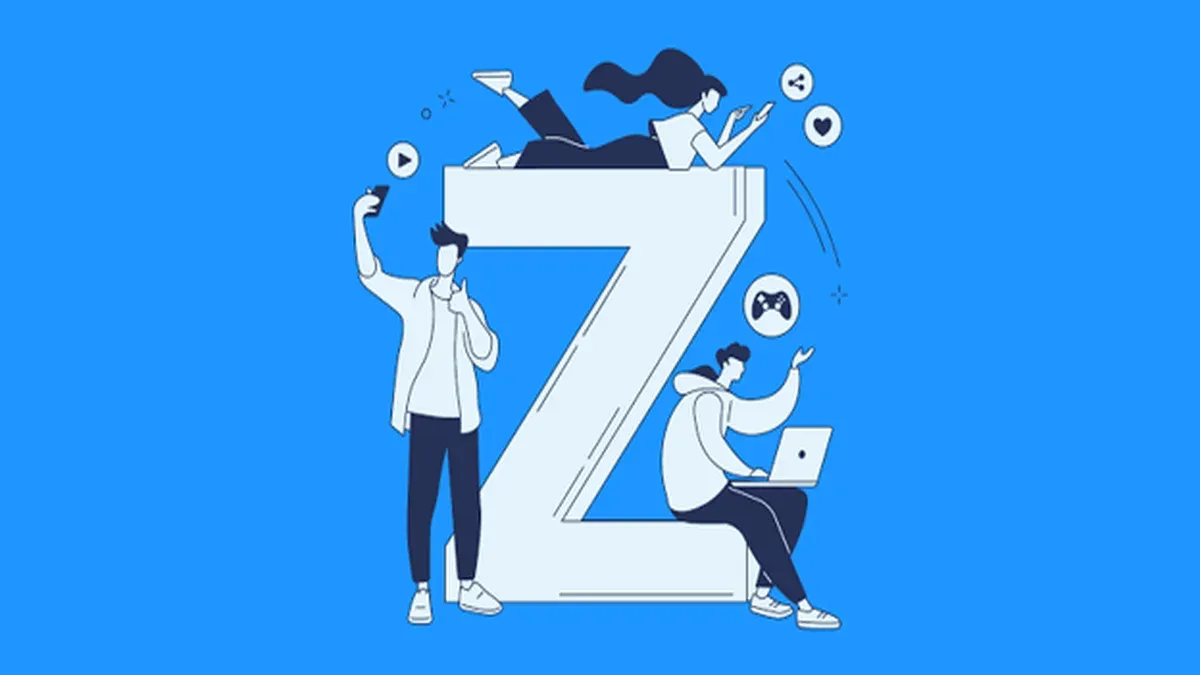
The demography of a country matters in so many ways rather than just population growth, death rate, birth rate and replacement rate. It has various socio-economic and politico- cultural traits and consequences. A country with a large young population is known to enjoy a demographic dividend if the large population is educated, skilled and employed productively. The young population is aspirational, oriented more towards enjoying their life with fun, frolic and friendship. Rather than wearing stress, seriousness and caution they long for unbound freedom, casualness and even carelessness. Their age is the age of digitalization, internet and social media. Their sense of humour, being funny and breaking the old conventions is also remarkable. Their communication and language is also remarkably different.
Demography of our times is given different nomenclatures primarily based on the period of their birth:
- Generation Z – Generation Z (or Gen Z) is the demographic group born roughly between 1997 and 2012. Coming after Millennials and before Generation Alpha, they are the first generation to grow up as true digital natives, with constant access to smartphones, high-speed internet, and social media from a very young age.
- Millennials- Millennials, also called Generation Y, are the demographic group born between 1981 and 1996. They follow Generation X and come before Generation Z. As of 2026, they are between 30 and 45 years old.
- Generation Alpha– Generation Alpha is the demographic group born from roughly 2010 to 2024, following Generation Z and preceding Generation Beta. Coined by researcher Mark McCrindle, they are the first generation born entirely in the 21st century, mostly as the children of Millennials.
- Generation Beta- Generation Beta is the demographic cohort born from 2025 through 2039, following Generation Alpha. the term is also coinrd by social researcher Mark McCrindle, this group consists primarily of the children of younger Millennials and Generation Z. They are growing up in a world deeply integrated with artificial intelligence and advanced automation.
- Common Slang Words of Gen Z and Meanings
- Delulu: Short for delusional; believing something totally unrealistic.
- GOAT: Greatest of all time.
- Cap / No Cap: Cap means a lie, while no cap means telling the truth.
- Rizz: Natural charm or flirting skill.
- Sigma: An independent, confident lone-wolf personality.
- Flex: Showing off your items, skills, or status.
- IYKYK: If you know, you know.
- Slay: Doing an amazing job or looking great.
These demographic categories came to notice in India prominently after they organized a protest againd leakage of examination papers and alleged corruption in recruitment of government jobs. They were generally pre-occupied with and engrossed in new generation films and music, fashion, fast food,social media , fun, frolic and friendship. A large chunk of them, however, is more aspirational and lovers of free will (Meri Merji).They are prone to be exploited by motivated political parties and groups, business brands and promoters of fad for newness.
- Gen Z language is a fast- changing mix of internet memes, app trends, and shortened.
- Common Words and Meanings:
- Rizz: Short for charisma; your skill in flirting or charming someone.
- No cap: Means “no lie” or “I am telling the truth”.
- Slay: To do something extremely well or look amazing.
- Mid: Something that is average, boring, or low quality.
- Delulu: Short for delusional; having wild or unrealistic ideas.
- Cooked: Meaning you are in trouble or defeated.
- Text Habbits:
- Skulls : Used instead of laughing because something is so funny it “killed” you.
- Tone softening: Using lower-case text, extra punctuation, or specific emojis to keep text messages friendly and casual.
As innocents, they may not be aware and educated enough in the beginning to decipher good from bad, truth from lies and visualizing consequences and being sensitive to substantive issues. Nevertheless as they grow their attention gradually shifts to opportunities for growth and employment and towards a higher standard of living which need a responsive parenting at family level and good governance at government level. The information and digital era is a grat facilitator for spread of ideas among the gen Z. They are not afraid to open their mind and express, to exercise their choices and do whatever seems to them right, joyfull and fulfilling. They often break the boundaries and tradition forcibly imposed on them. They need more attention and care and they despise getting ignored more than previous generations.
Their beliefs and reactions matter crucially for our social, economic and political lives and no less for our culture. It is a mammoth and urgent task to orient our education system to make them more capable, responsible and sicere towards nation, society and institutions like marriage and family apart from learning skills to handle both success and setbacks.
The language of gen Z is different, new and weird at times, but they are generally innocent, funny and friendly. But this generation dislikes forceful imposition and pressure. Educated ones among them seek solution of problems through dialogue and communication while there may be a small segment that is inclined to wrangles and fight due to ignorance and ulterior motives. However given their youthful energy, they are prone to be angered on deliberate and unfair, cruel and disgraceful action against them. And they are on social media which helps them to mobilize and gather together for a cause. When angered, their language becomes more aggressive and abusive at times. They need patient hearing and meaningful dialogue.
The generation z is recognized as the most racially and ethnically diverse, as well as socially progressive, generation to date. They do not remember a time before smartphones or widespread web connectivity. Majority of them do not read print media and gather information and understanding from internet and digital media which is often biased and misinforming. However, the generation is recognized for its pragmatism and viewed as financially cautious, practical, and highly value-driven regarding mental health and career stability. Apart from skill-centric education they need new, inter-disciplinary, relevant and value -based education for developing a thinking mind and resolving their moral and ethical dilemmas. Their commitment to give back to society and nation could also be enhanced through education. It is a great moment that they are themselves seeking to reform education and examination systems. They need genuine and empathetic hearing as the future of India truly depends on the quality and confidence of the gen Z. They cannot be cajoled for electoral mobilization just through empty promises or divisive narrow categories. This is in a way a call to mobilize voters on the basis of delivery of development and good governance rather than propaganda and freebies. And in the coming times the largest chunk of voters would be gen Z.