
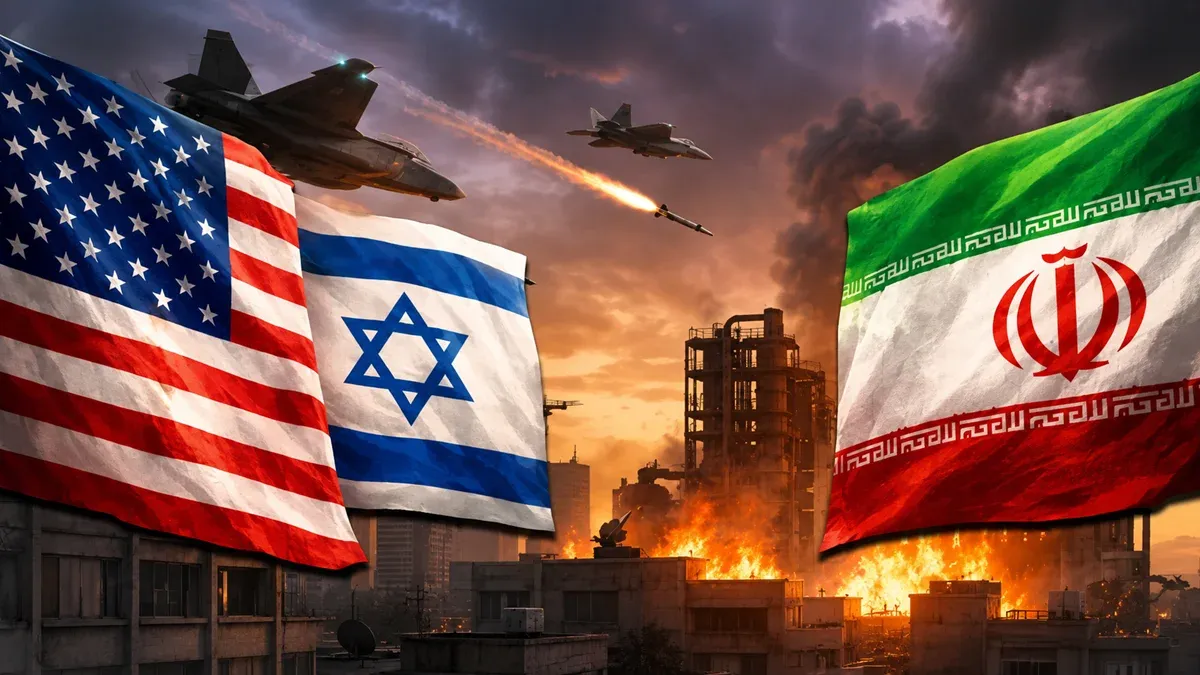
The US-Israeli war with Iran which began on February 28, 2026 appears to be moving towards ceasefire and truce.. Major combat operations of the war officially concluded with a mediated interim peace deal in mid-June 2026. Prior to this 2026 conflict, the two nations also engaged in a shorter, separate direct clash known as the Twelve-Day War between June 13 and June 24, 2025. Besides rising war expenditures of the involved countries and breakdown of energy and other infrastructure of some of the gulf countries, particularly those hosting base for American forces, the most detrimental effect of war on the global economy came when the strait of Hormuz was blocked. The blockade of the Strait of Hormuz caused one of the largest supply disruptions in global history, instantly cutting off roughly 20 million barrels of oil and 20% of global LNG supplies, which triggered . soaring global energy prices, skyrocketing shipping costs, and widespread risks of stagflation. Now as the blockade is graduaklly relaxing crude prices are by abd by coming to the pre war levels.
There was apparent miscalculation of US and Israel about Iran’s capacity to withstand and endure the war despite assassination of its top leadership and severe losses to its infrastructure and military installations. The United States (Operation Epic Fury) and Israel (Operation Roaring Lion) which launched hundreds of coordinated airstrikes across Iran failed to push the later to surrender and accepting defeat. This reminds American debacle in Vietnam War in late 1960s. . Despite the assassination of its Supreme Leader Ayatollah Ali Khamenei and other senior officials, Iran, especially its Republican Army stood firmly to defend the country’s sovereignty. Iran also retaliated with missile and drone attacks on US bases and Israeli targets, and briefly blocked the Strait of Hormuz, causing a major global energy crisis.
The blockade of the Strait of Hormuz primarily stalled maritime traffic over 25% of the world’s seaborne oil trade, forcing nations to rely on strategic petroleum reserves. This also led to soaring logistic cost due to surge in war-risk premiums causing the daily cost of Very Large Crude Carriers (VLCCs) to spike significantly, with LNG shipping rates rising by 40%. The disruptions in energy supply chains, especially due to blockade of Starit of Hormuz also caused energy deficit in manufacturing and export hubs in Asia and Europe which faced production bottlenecks due to the lack of liquefied natural gas (LNG) from key Gulf producers. During the period of blockade, inflationary and recessionary tendencies were observed in the warring countries and many developing countries as well including South Asia. This reminded the energy crises of the 1970s heightening the risk of global recession. During the period of blockade global stock markets also experienced sharp declines, and developing countries, in particular, suffered from weakening currencies.
The United States, Iran, and allied forces recently agreed to an initial framework calling for an immediate termination of military operations across all fronts, including Lebanon. However, the path to a lasting ceasefire remains highly volatile as ongoing Israeli strikes and maritime flare-ups frequently threaten to derail the diplomatic momentum. Negotiated with the backing of international mediators, the US-Iran deal aims for an immediate halt to hostilities. The primary goals are to establish a permanent termination of the conflict, secure the Strait of Hormuz to restore global oil flow, and address Iran’s nuclear program. However the situation is still fragile and uncertain. This is primarily because Israel’s adamaent approach on Hezbollah in Lebanon. Despite announcements that Israel and Hezbollah agreed to a ceasefire, Israel continued airstrikes on Hezbollah which starined relations between the US and Israel while Iran also expressed its displeasure on breach of agreement. In such a situation the agreement seems fragile and it is still uncertain that it will last until and unless all the warring countries decide to honour their pledges.